Support works when officers trust the pathway
A practical, department-ready program that strengthens operational readiness, improves peer-support execution, and builds a trusted pathway to care while keeping clinical services in the licensed clinical lane.

THE PROBLEM
The law enforcement problem
Most departments are asked to do more with less—while exposure, scrutiny, and cumulative stress keep rising. When support systems are inconsistent, readiness drops and small issues become operational problems.
Operational strain compounds
Staffing shortages, overtime, and constant call volume reduce recovery time and increase error risk.
Support becomes ad hoc
Peer support and supervisor response vary by shift, personality, and training—so members don’t trust the process.
Early warning is missed
Without clear pathways and follow-through, performance and wellness issues surface late—often after avoidable incidents.
Care access is unclear
Even when resources exist, members may not know what’s confidential, what’s required, and what happens next.
What we build
A repeatable readiness system that departments can run—clear roles, simple workflows, and training that matches the job.
Command-level alignment
Define intent, thresholds, and decision points so support actions are consistent.
Supervisor playbook
Practical response steps for performance, conduct, and stress-related concerns.
Peer-support structure
Selection, training, boundaries, documentation, and handoff protocols.
Confidential pathways
Clear options for voluntary support and referral—without confusion.
Counselor connection pathway
A vetted provider network and a clean handoff process when clinical care is needed.
Training cadence
Ongoing refreshers that keep skills usable—not a one-time event.
After-action support
Post-incident response that’s structured, timely, and role-appropriate.
Measurement & feedback
Simple metrics to track adoption, gaps, and improvements over time.
OFFERINGS
Law enforcement offerings
Four build areas that work together. Each can start small and scale department-wide.

Command alignment
Clarify goals, thresholds, and decision authority so readiness support is consistent across the organization.

Supervisor training
Train sergeants and supervisors to recognize issues early and respond with a clear, job-relevant playbook.
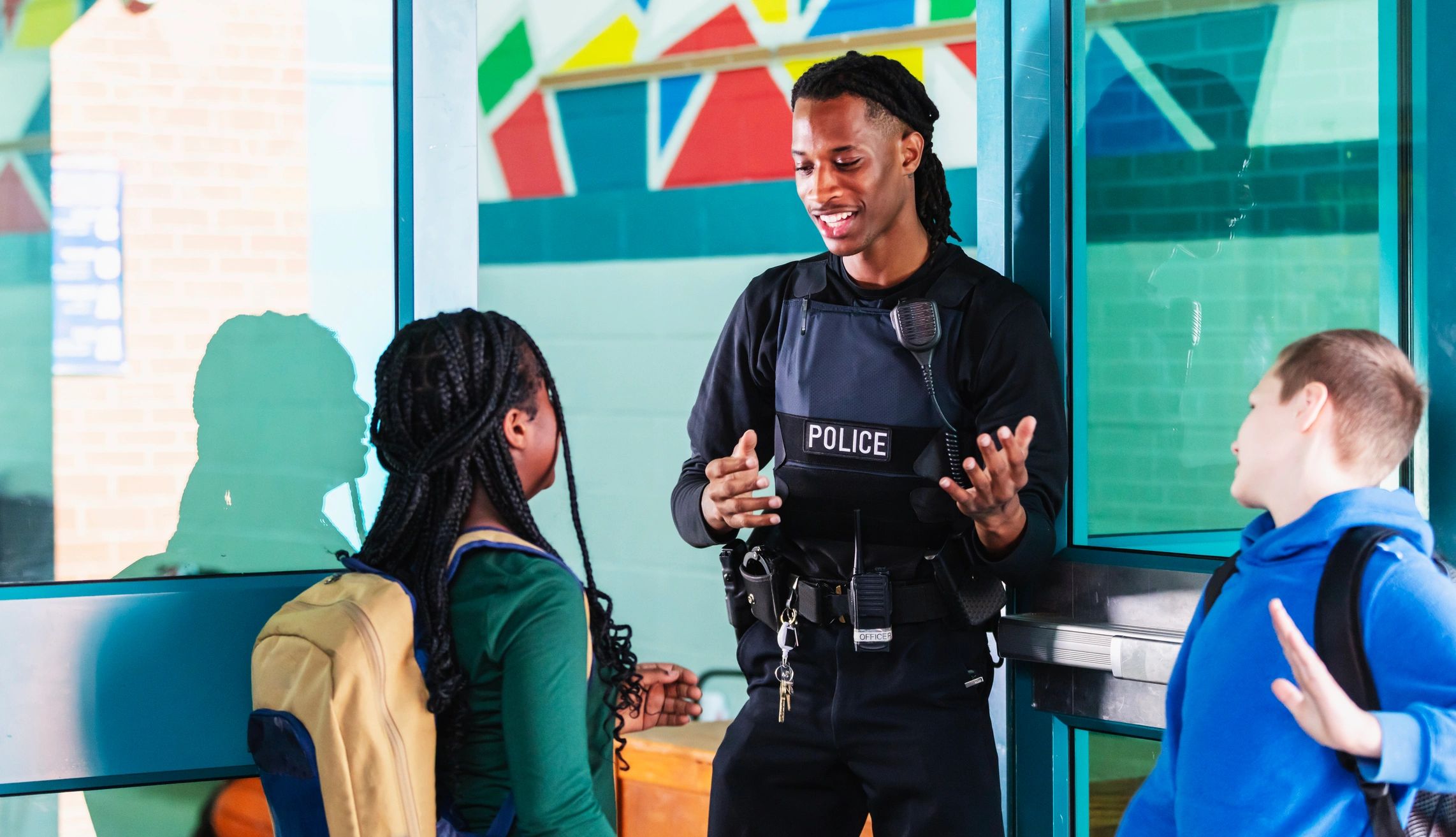
Peer-support structure
Build a peer-support program with selection standards, boundaries, documentation, and reliable handoffs.
PROGRAM OPTIONS
Law enforcement program options
Departments can start with a readiness review, a 90-day implementation sprint, a remote setup package, or role-specific command, supervisor, and peer-support training.
Law Enforcement Readiness Review
A focused review of trust barriers, supervisor response, peer-support structure, referral pathways, confidentiality messaging, and counselor-connection gaps.
Officer Readiness 90-Day Implementation Sprint
A structured buildout of command alignment, supervisor response, peer-support boundaries, counselor connection, training, de-identified review, and sustainment planning.
Remote Officer Readiness System Setup
A setup-and-handoff model for remote or smaller law-enforcement agencies that need a trusted pathway but do not need a continuous-care program.
Peer Support & Navigator Academy
Training and implementation support for peer-support personnel who need clear boundaries, referral standards, warm-handoff skills, and role clarity.
Counselor connection pathway
When a member needs clinical support, the handoff must be clean, fast, and trusted.
We help departments build a vetted provider network and a simple referral pathway that protects confidentiality, reduces friction, and supports supervisors and peer-support teams with clear next steps.
Back to Ready LLC provides non-clinical consulting, coaching, training, implementation, referral-navigation, and program-support services. Counseling, assessment, diagnosis, treatment, psychotherapy, and other clinical services are provided only by appropriately licensed professionals acting within their authorized scope and jurisdiction.
Illustrative agency scenarios
Mid-size patrol agency
A department has peer-support volunteers and outside clinicians, but supervisors are inconsistent about when to refer, what to document, and how to explain the pathway to officers. The review identifies role confusion, response gaps, and the need for a cleaner handoff process.
Sheriff’s office expansion
A growing agency wants a support system that works across patrol, detention, and command staff. The review highlights where one policy does not fit every unit and where the agency needs a more practical referral workflow and supervisor response guide.
Post-critical incident review
After a difficult incident, leaders realize officers do not trust the current pathway and peers are carrying too much of the response burden. The review helps the agency define boundaries, strengthen follow-up steps, and rebuild confidence in the support process.
Command-level reset
An agency has good intent but no shared structure for launch, training, review, and counselor connection. The review gives command staff a current-state picture and a sequence for building a more trusted, repeatable system.
What leadership receives — and what stays clinical
Leadership may receive: high-level, de-identified information that helps leadership understand whether the support system is being used, where implementation needs attention, and where program improvements may be appropriate.
What stays clinical: therapy notes, diagnoses, treatment plans, clinical details, and individual disclosures remain outside routine leadership reporting.
Clinical records and clinical judgment remain with appropriately licensed professionals acting within their authorized scope and jurisdiction.